Microcultures
Our attention in splinters
Recently, I’ve been thinking about attention, specifically how we all used to pay attention to the same sources of information.
In the pre- and early Internet days, there were far fewer voices and channels to choose from. You may have had a handful of newspapers and TV channels, and that’s it.
Mainstream media created shared points of connection and conversation. When you met up with others, you talked about that one big news story or TV show.
Now, we have millions of channels and voices to choose from. Everyone is curating their own media universe, a personalized smorgasbord of information from an endless array of sources:
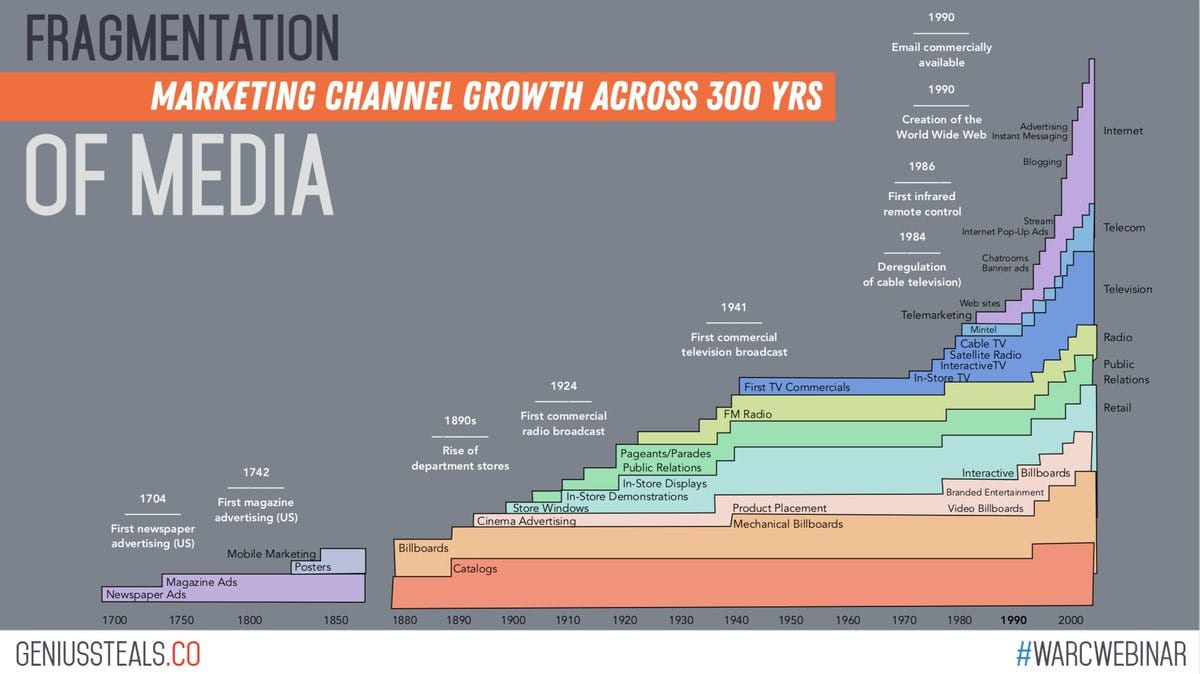
And while we still have common cultural references, often in the form of viral memes, top shows, and TikTok trends, our attention as a society has splintered.
After all, why pay attention to the same five public voices when we have millions to choose from?
Why watch the same yoga YouTuber when you can mix up teachers and styles?
This is what I do. I have about five different YouTube yoga teachers I watch, and each one has their own loyal community.
Within these communities, they’ve created microcultures, each with their own language and references (e.g., that one yoga teacher’s cat who everyone knows by name and comments about).
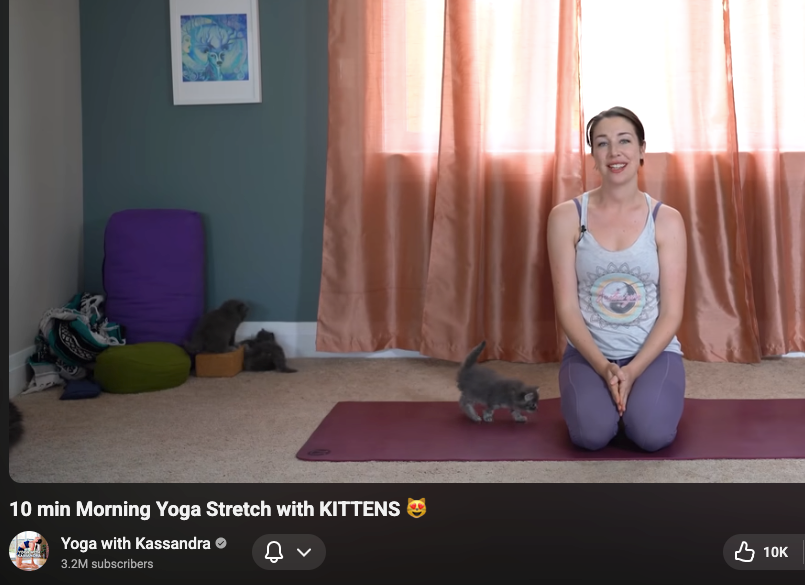
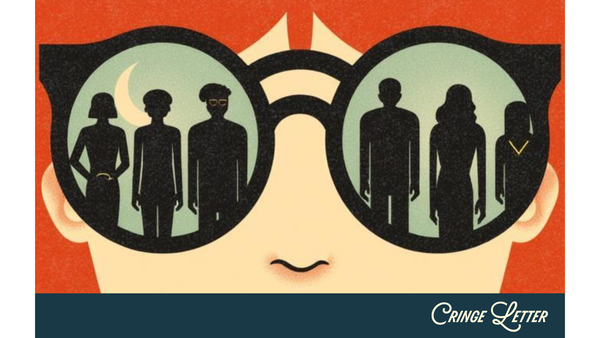
What’s cool about this is that we’re no longer part of just one community, like our physical real world/local community or even central online social community, but a part of lots of different microcommunities and cultures depending on where you hang out and what you’re into.
And because the social algorithms tend to:
- Reward niche content
- Serve us posts based on our previous engagements
We can get into highly personalized silos or constellations of silos based on our tastes.
There may be some overlap with others’ feeds, or there might not be. For instance, if you are obsessed with fried Twinkies, iguanas, and figure skating (side note: if this is you, I want to talk), then your feed/media diet is going to look a lot different than the person who lives for a good Excel formula, kittens, and macroeconomics.
This all comes with plenty of positives:
- We now have a wide range of topics we can bring into conversations.
- We can meet others from around the globe with the same specific interests.
- We have access to more diverse viewpoints that used to be blocked by corporate gatekeepers.
- We create our own information diet rather than having to be served it by the powers that be.
- We can follow the beats of our specific interests in a way we couldn’t before. You no longer have to go to the library to dig into the archive of your interest. You can set up daily alerts and get it all delivered to your inbox regularly.
I don’t know how I suddenly started explaining the conveniences of the Internet, but you get it.
In other ways, it creates challenges:
- It can be more difficult to find shared references or agreed-upon points of truth/reality. When we gather our information from different sources and put our trust in different voices, whose information is the most reliable? This can lead to more societal fracturing online and offline.
- We tend to find and support information that reinforces our beliefs, limiting us from viewpoints that have value, but that we may disagree with.
- Without any gatekeepers, it becomes harder to hold people accountable for spreading misinformation or fabrications. It’s now up to us as individuals to decide if what we’re consuming is real or not.
The other complication is that with the rise of AI-generated content, it has become incredibly easy to create videos, images, and articles on any topic at scale, to the point that everything has become saturated.
Microcultures are proliferating at a rate we’ve never seen before, and we’re all being pulled deeper into our self-created information realms.
So what?
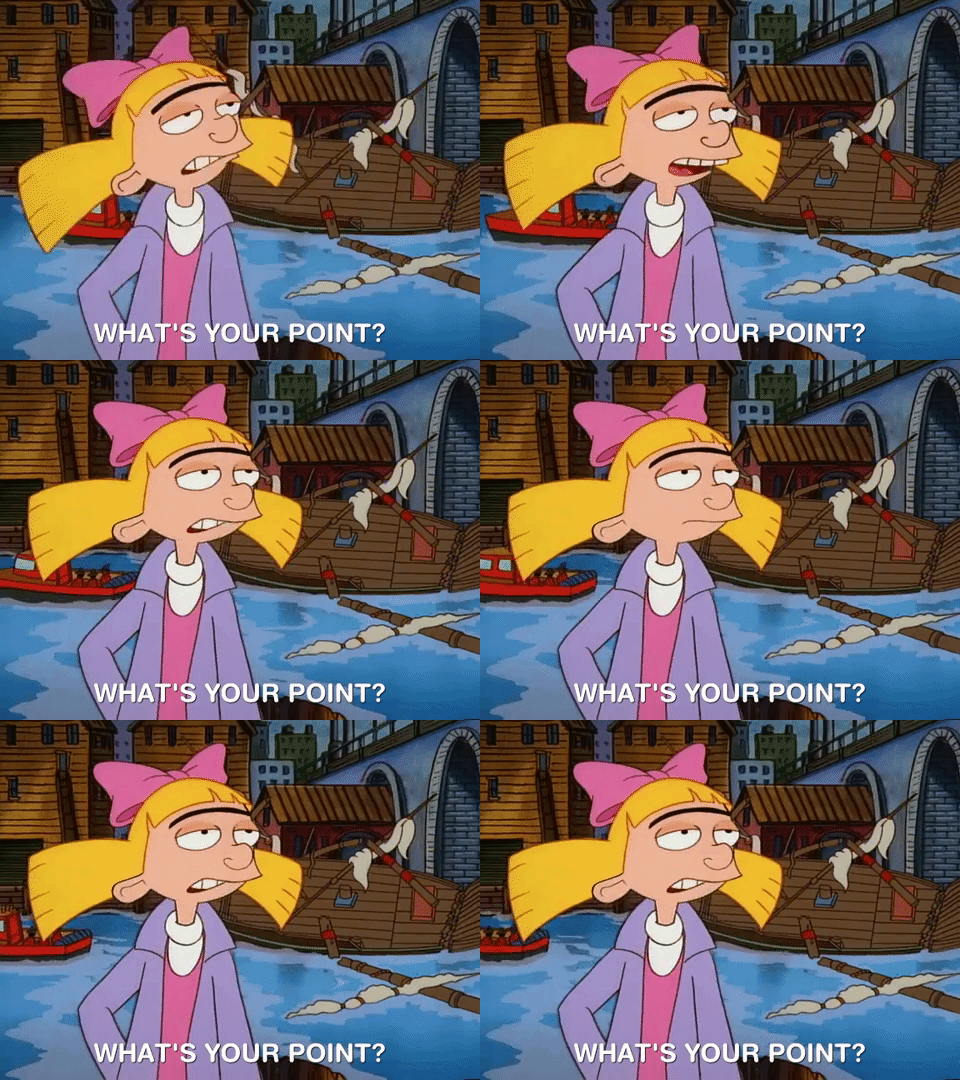
I don’t have any neat takeaways or nice little bows to wrap this all up with, but I do think it’s worth considering the ways our information diet is shifting (and will continue to shift dramatically) in the coming years.
It’s also important to consider our individual roles in maintaining our information hygiene in terms of which and how much information we absorb, and to be aware of the ways certain microcultures may influence us (for better or worse).
I’m not entirely sure how we’re going to do this, but we also need to create/maintain some shared references of truth.
My approach recently has been to try to break my bubble, surf the silos, and dip in and out of different microcultures rather than getting absorbed into just one.
I also try to keep in mind that each source has a bias and often an agenda to capture your attention/make you buy something/influence you in one way or another. (Speaking of which, do you need help building your personal brand on LinkedIn? ;) Hit me up.)
So best to approach everything with an open mind, but also a healthy dose of skepticism and information moderation.
The more access we get to information online, the more I want to retreat to my sofa with a pile of books, to just read one research-based thought stream at a time.
What have you noticed about the way your media attention has shifted over the last few years? What unexpected microcultures have you discovered online?
Reply to this and let me know!
P.S. If you’re into this journey or at least mildly entertained by it, consider buying me a coffee 🙂 (https://buymeacoffee.com/isabelsterne)
Until next time,